The dissemination event of the Erasmus+ project “TELL YOUTH” was successfully organized by KANE Kalamata and the Environmental Education Center of Kalamata (KPE/KPEA), in collaboration with the Primary Education Advisor of Messinia, Mrs. Kaliva at the 18th Primary school of Kalamata.
The TELL YOUTH project is co-funded by the European Union under the Erasmus+ program (Project Code: 2023-1-RO01-KA220-YOU-000158579) and its main goal is to strengthen the connection of young people with nature. The project involves educational institutions and youth organizations from Romania and France.
The importance of nature in the lives of young people, starting from early childhood, was highlighted in the presentation by Mrs. Ravani from the Environmental Education Center of Kalamata. She emphasized how, through the senses, young people can connect their experiences with new knowledge about the natural environment.
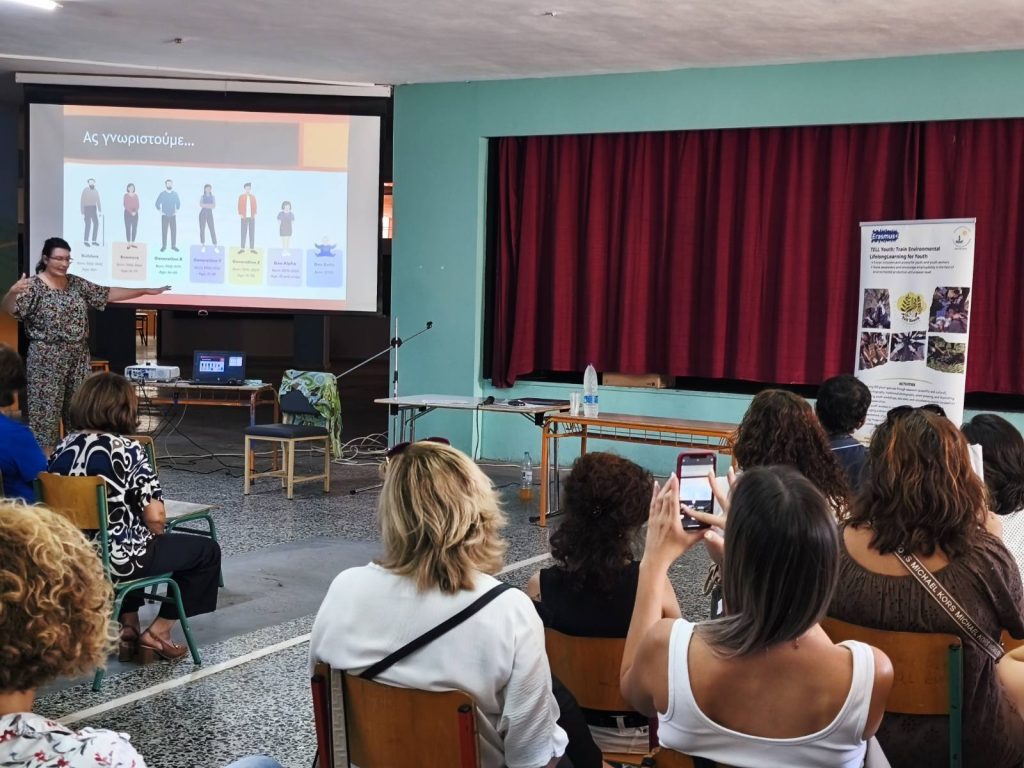
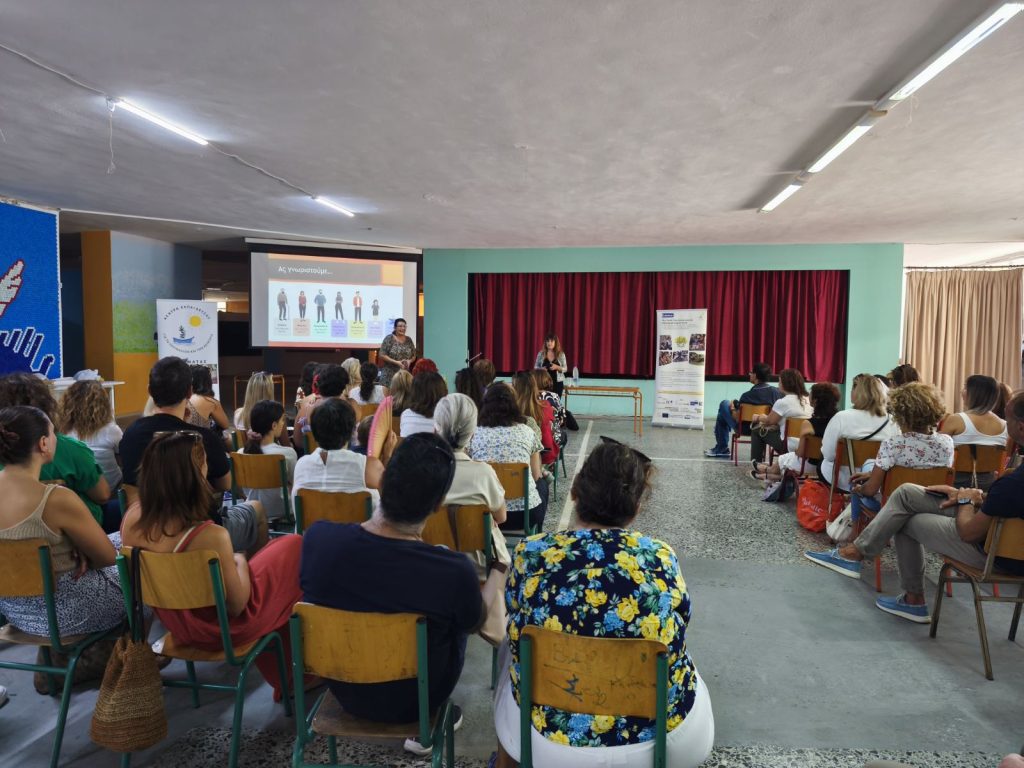
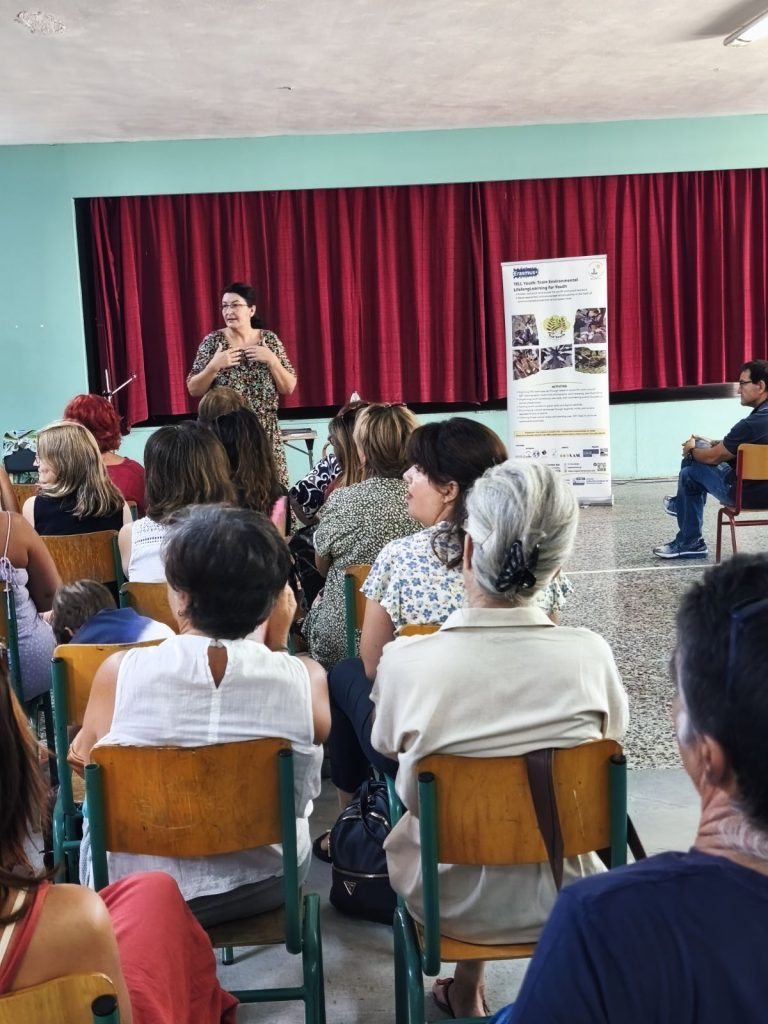
Mrs. Fotini Arapi introduced the project’s objectives and presented the activities carried out both in Greece and abroad. These included the recording of endemic plants through sampling and the creation of a herbarium, researching information and myths/stories about each plant, and organizing youth workshops that contributed to the project’s results. Among the outcomes were 3D photography of plants for the creation of a digital herbarium, creative writing workshops that generated new stories, and artistic representations of plants for an illustrated children’s book.
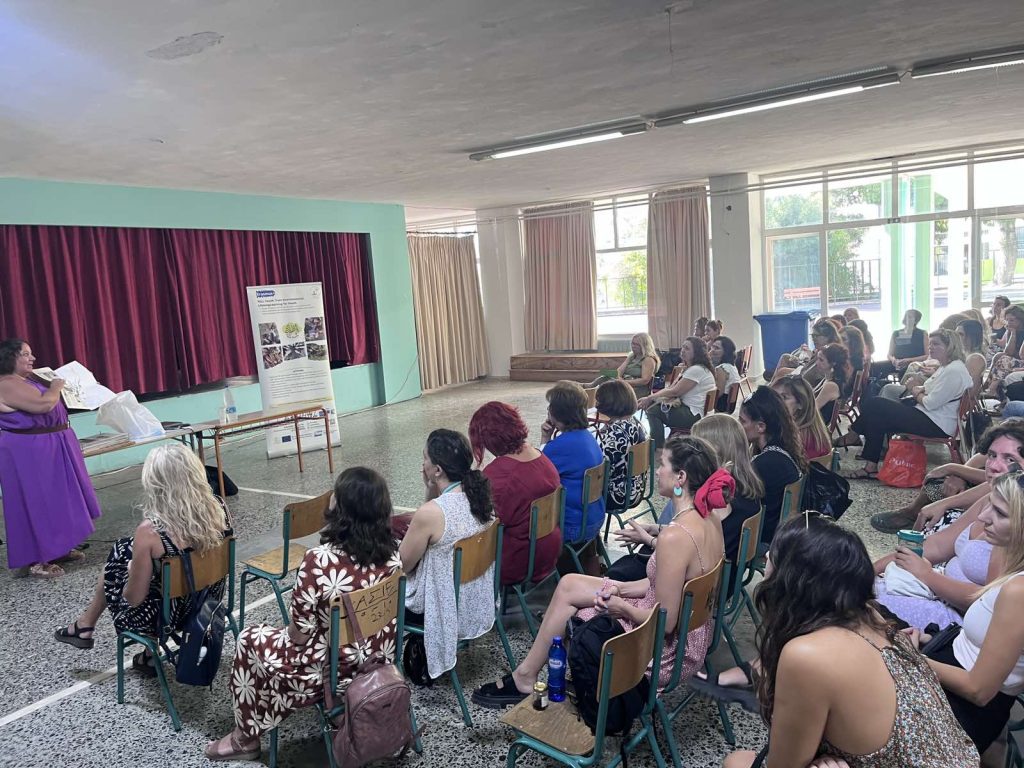
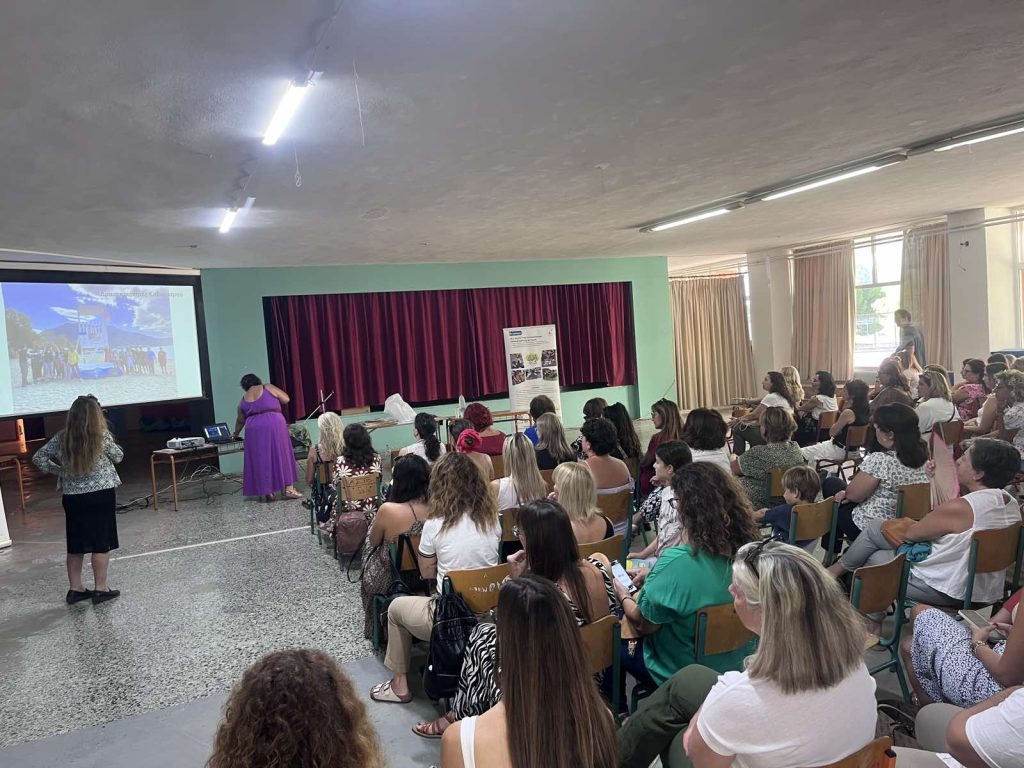
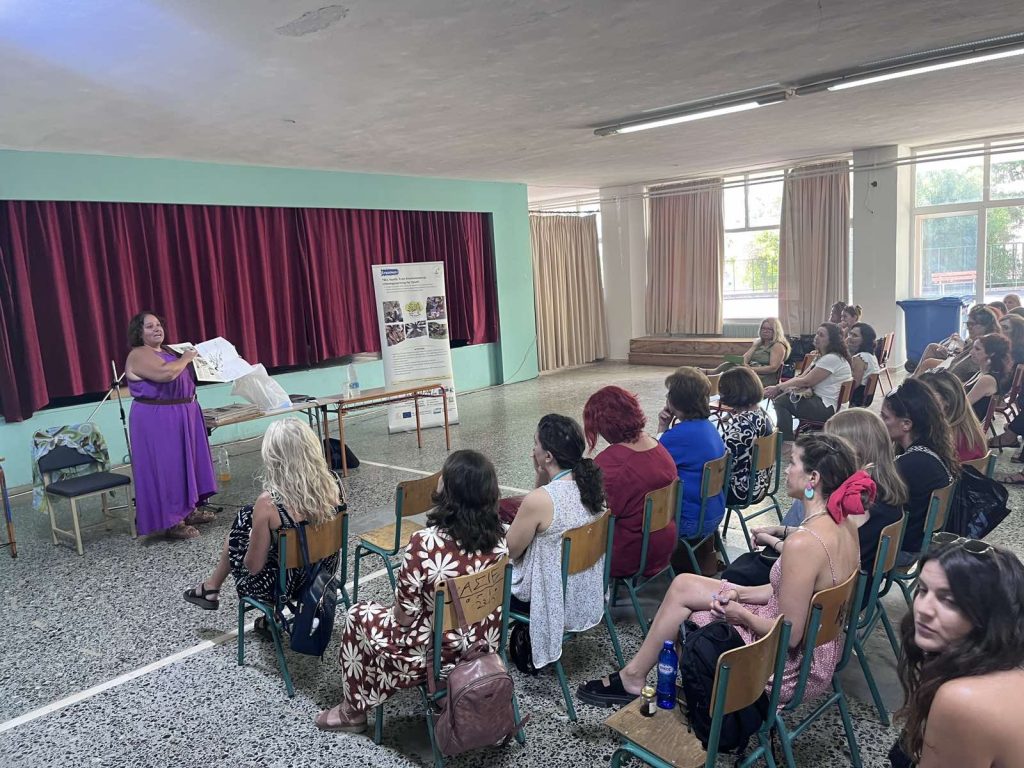
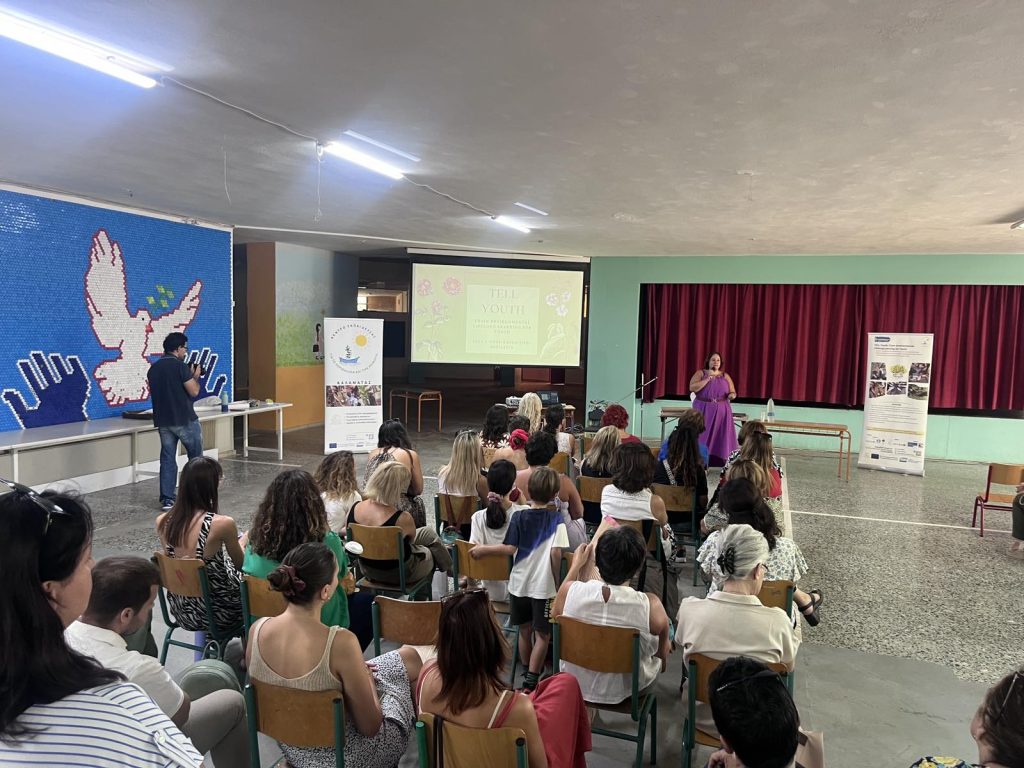
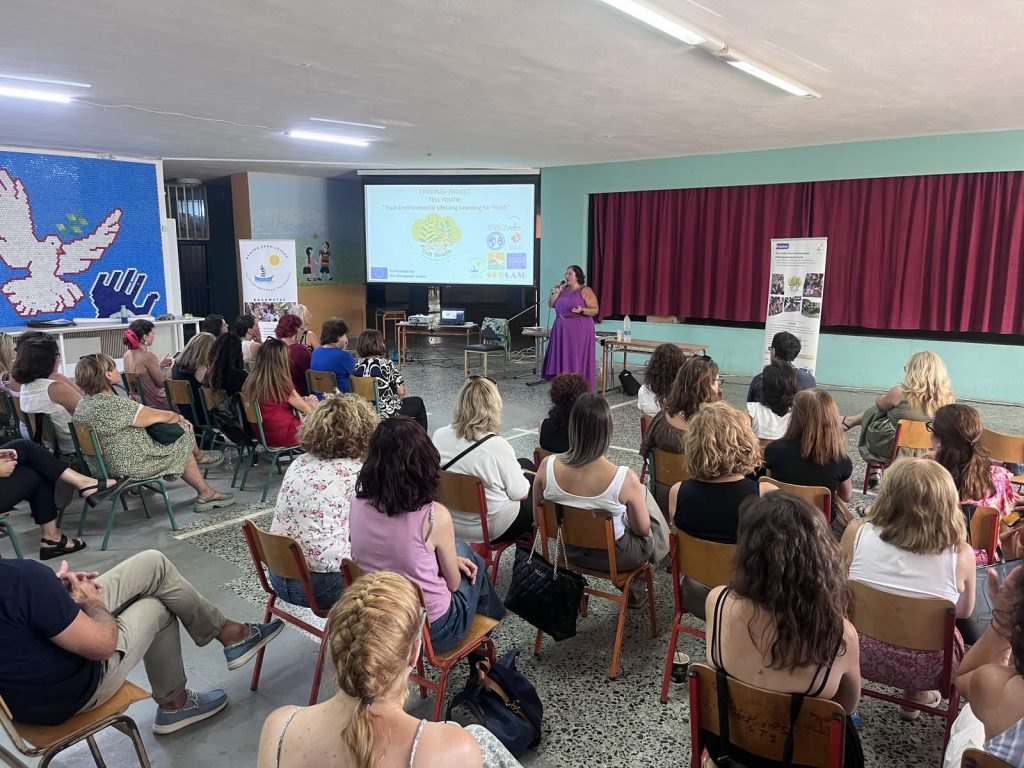
The event continued with a workshop showcasing practical applications of the Erasmus+ “Tell Youth” educational material, along with examples of worksheets used during the project’s activities. The digital herbarium developed across the three partner countries was presented in detail, along with the book “The Environmental Stewards Book”, featuring plant illustrations that highlight its educational value and the contributions of young participants. Additionally, photographs and artistic works inspired by plants were displayed, underlining both the local and European natural and cultural heritage.
All project information and results are available on the website: www.digital-herbarium.com.